Choosing the Best Co-working Spaces Worldwide
Explore top co-working spaces for digital nomads. Find the perfect environment for productivity and networking.
Explore top co-working spaces for digital nomads. Find the perfect environment for productivity and networking.
Choosing the Best Co-working Spaces Worldwide
Hey there, fellow digital nomads and remote workers! Let's talk about co-working spaces. If you're like me, sometimes working from a coffee shop is great, but other times, you crave a dedicated workspace, a sense of community, and maybe even a proper ergonomic chair. That's where co-working spaces come in. They're not just offices; they're hubs of innovation, collaboration, and often, a fantastic way to meet like-minded people. But with so many options popping up globally, how do you choose the best one for you? Let's dive in and explore what makes a co-working space truly great, compare some top contenders, and help you find your perfect remote work sanctuary.
Understanding Your Co-working Needs Digital Nomad Workspace Preferences
Before you even start looking, it's crucial to understand what you actually need from a co-working space. Are you a solo entrepreneur needing quiet focus time, or part of a remote team looking for collaborative zones? Your ideal space will depend heavily on your work style and priorities.
Key Factors to Consider for Co-working Space Selection
- Location, Location, Location: This might seem obvious, but think about proximity to your accommodation, public transport, and amenities like restaurants or gyms. Do you want to be in the bustling city center or a quieter neighborhood?
- Cost and Membership Tiers: Co-working spaces offer a range of pricing models, from daily passes to monthly memberships, and even dedicated desks or private offices. Compare these carefully. What's included in the price? Are there hidden fees?
- Internet Speed and Reliability: This is non-negotiable for digital nomads. Always check reviews or ask about their internet infrastructure. A slow connection can kill your productivity.
- Amenities and Facilities: Beyond a desk and Wi-Fi, what else do you need? Think about meeting rooms, phone booths for calls, printing services, kitchen facilities, free coffee/tea, and even showers or nap pods.
- Community and Networking Opportunities: For many, this is the biggest draw. Does the space host events, workshops, or social gatherings? Is there an active online community?
- Ergonomics and Comfort: You'll be spending hours here, so comfortable chairs and adjustable desks are important for your health and productivity.
- Opening Hours and Accessibility: Do their hours align with your work schedule? Is it accessible 24/7 if you work odd hours or across time zones?
- Noise Level and Atmosphere: Some spaces are buzzing with activity, others are library-quiet. Which environment helps you focus best?
- Security: How secure is the space? Are your belongings safe? Is there staff present during operating hours?
Top Co-working Space Chains Global Co-working Brands Review
When it comes to global presence and consistent quality, a few big names often come to mind. These chains offer a reliable experience, often with the benefit of reciprocal access in different cities.
WeWork: Global Reach and Modern Design
Overview: WeWork is arguably the most recognizable co-working brand globally, known for its stylish, modern interiors, extensive amenities, and strong community focus. They have locations in major cities across North America, Europe, Asia, and beyond.
Pros:
- Extensive Network: With hundreds of locations, you can often find a WeWork almost anywhere you go. Their 'All Access' pass allows you to work from any location.
- Premium Amenities: Expect high-speed internet, free coffee/tea/water, printing, private phone booths, meeting rooms, and often event spaces.
- Vibrant Community: WeWork actively fosters community through events, workshops, and a dedicated app for members to connect.
- Professional Environment: The spaces are well-maintained, clean, and project a professional image.
Cons:
- Cost: WeWork tends to be on the pricier side, especially for dedicated desks or private offices.
- Can Be Crowded/Noisy: Popular locations, especially in open-plan areas, can get quite busy and noisy.
- Inconsistent Internet: While generally good, some locations might have occasional internet issues, especially during peak hours.
Typical Pricing (Monthly, US):
- Hot Desk/All Access: $299 - $450+ (depending on city and access level)
- Dedicated Desk: $450 - $700+
- Private Office: $700 - $2000+ (for a single person office)
Best For: Digital nomads who prioritize a professional environment, extensive amenities, and a strong global network, and are willing to pay a premium for it.
Regus/Spaces: Business-Oriented and Flexible Office Solutions
Overview: Regus and its more modern, design-focused sibling, Spaces, offer a vast network of business centers and co-working spaces. They cater to a slightly more corporate clientele but are increasingly popular with freelancers and small businesses.
Pros:
- Massive Global Footprint: Regus has thousands of locations worldwide, making it incredibly easy to find a workspace almost anywhere.
- Professional Services: They offer virtual office services, mail handling, and administrative support, which can be a huge plus for business owners.
- Variety of Options: From basic co-working to private offices and meeting rooms, they have a solution for almost every need.
- Reliable Infrastructure: Generally very stable internet and professional office equipment.
Cons:
- Less Community-Focused: While Spaces tries to foster community, Regus locations can feel more like traditional offices, with less emphasis on social interaction.
- Can Feel Corporate: The aesthetic might be less 'trendy' and more 'business park' in some Regus locations.
- Pricing Structure: Can be complex, and some services might be add-ons.
Typical Pricing (Monthly, US):
- Co-working Membership: $150 - $350+ (depending on city and access)
- Dedicated Desk: $300 - $600+
- Private Office: $500 - $1500+
Best For: Digital nomads and remote professionals who need a reliable, professional workspace with extensive global access and potentially business support services, and who might prefer a quieter, more focused environment.
Selina Co-working: Nomad-Centric and Experience-Driven
Overview: Selina is unique in that it combines co-working spaces with accommodation (hostels/hotels), making it a one-stop shop for many digital nomads. They have a strong presence in Latin America, Europe, and are expanding elsewhere, often in more adventurous or scenic locations.
Pros:
- Integrated Accommodation: Work and sleep in the same place, often with discounts for long-term stays.
- Strong Nomad Community: Selina actively cultivates a vibrant, social atmosphere with events, tours, and activities.
- Unique Locations: Often found in beautiful, culturally rich, or adventurous destinations, not just major business hubs.
- Affordable Options: Generally more budget-friendly than traditional co-working spaces, especially when bundled with accommodation.
Cons:
- Varying Quality: As a hybrid model, the quality of co-working facilities can vary significantly between locations.
- Can Be Noisy: The social atmosphere, while a pro for some, can be a con for those needing deep focus.
- Internet Reliability: Can be inconsistent, especially in more remote locations.
Typical Pricing (Monthly, International):
- Co-working Pass: $100 - $250+ (often with accommodation bundles available)
- Accommodation + Co-working: Varies widely based on location and room type, but often offers good value.
Best For: Digital nomads who prioritize community, social interaction, and an integrated travel/work experience, especially those exploring Latin America or seeking more adventurous locations.
Regional and Local Co-working Gems Unique Digital Nomad Hubs
While global chains offer consistency, some of the best experiences come from independent or regional co-working spaces. These often have a stronger local flavor and cater specifically to the local digital nomad scene.
Hubud Bali Indonesia: Pioneering Nomad Community
Overview: Located in Ubud, Bali, Hubud was one of the original and most iconic co-working spaces for digital nomads. While it has evolved and changed ownership (now part of Outpost), its legacy as a community builder remains strong.
Pros:
- Legendary Community: Known for its incredibly strong and supportive digital nomad community, with countless events and networking opportunities.
- Beautiful Setting: Often features open-air bamboo structures with views of rice paddies, offering a unique and inspiring environment.
- Focus on Wellness: Many spaces in Bali, including Outpost, integrate wellness activities like yoga and meditation.
- Affordable Living: Bali generally offers a lower cost of living, making the co-working fees more manageable.
Cons:
- Can Be Distracting: The open-air nature and social buzz might not suit everyone's focus needs.
- Internet Can Be Spotty: While generally good, Bali's infrastructure can sometimes be less reliable than major cities.
- Specific Niche: Caters heavily to the 'spiritual' and 'wellness' nomad crowd, which might not appeal to all.
Typical Pricing (Monthly, USD):
- Unlimited Access: $150 - $250+
- Part-time/Flexi: $75 - $150
Best For: Digital nomads seeking a deep sense of community, a relaxed and inspiring environment, and a focus on wellness, particularly those drawn to the Bali lifestyle.
Punspace Chiang Mai Thailand: Southeast Asia's Nomad Mecca
Overview: Punspace is a well-established co-working space in Chiang Mai, Thailand, another major hub for digital nomads. It's known for its reliable facilities and a more straightforward, productivity-focused environment.
Pros:
- Reliable Infrastructure: Good internet, comfortable seating, and a generally stable working environment.
- Strategic Locations: Multiple branches in Chiang Mai, often near popular nomad areas.
- Strong Local Community: Attracts a diverse mix of nomads and local entrepreneurs.
- Affordable: Chiang Mai offers a very low cost of living, and Punspace's prices reflect that.
Cons:
- Less 'Glamorous': The design is more functional than flashy, which might not appeal to those seeking a highly aesthetic space.
- Can Get Busy: As a popular spot, it can get crowded during peak season.
- Limited Amenities: While it has the essentials, it might not offer the extensive perks of a WeWork.
Typical Pricing (Monthly, USD):
- Unlimited Access: $100 - $180+
- Daily Pass: $5 - $10
Best For: Digital nomads looking for a reliable, no-frills, and affordable co-working space in a major Southeast Asian nomad hub, with a focus on productivity and a strong local community.
Impact Hub Network: Social Impact and Local Focus
Overview: Impact Hub is a global network of locally owned co-working spaces, each with a strong emphasis on social innovation and entrepreneurship. They are found in over 100 cities worldwide, from major capitals to smaller, emerging hubs.
Pros:
- Mission-Driven Community: Attracts individuals and organizations focused on making a positive social or environmental impact.
- Strong Local Connection: Each Impact Hub is unique and deeply embedded in its local community, offering authentic cultural experiences.
- Collaborative Environment: Excellent for networking with purpose-driven entrepreneurs and finding collaborators.
- Diverse Events: Often hosts workshops, pitch events, and discussions related to social innovation.
Cons:
- Varying Facilities: As independent entities, the quality and amenities can differ significantly between locations.
- Niche Focus: If your work isn't related to social impact, you might not fully connect with the community.
- Less 'Nomad-Specific': While welcoming to nomads, their primary focus isn't always on the typical digital nomad lifestyle.
Typical Pricing (Monthly, USD):
- Flex Desk: $150 - $400+ (highly dependent on city and local pricing)
- Dedicated Desk: $300 - $600+
Best For: Digital nomads who are social entrepreneurs, freelancers working on impact-driven projects, or those who want to connect with a local community focused on positive change.
Specialized Co-working Spaces Niche Digital Nomad Work Environments
Beyond the general-purpose spaces, there are also co-working options catering to specific needs or industries.
Co-living Spaces with Integrated Co-working: The All-in-One Solution
Overview: Co-living spaces like Outpost (Bali, Cambodia), Roam (global, though some locations have closed), and many independent local options combine accommodation with dedicated co-working facilities. This is a growing trend for digital nomads seeking convenience and community.
Pros:
- Ultimate Convenience: No commute, everything you need under one roof.
- Instant Community: Living and working with other nomads fosters strong bonds quickly.
- Often All-Inclusive: Utilities, internet, cleaning, and sometimes even meals or activities are included.
- Designed for Nomads: These spaces are built with the digital nomad lifestyle in mind, from internet speed to social events.
Cons:
- Less Privacy: You're constantly surrounded by people, which might not suit introverts or those needing more personal space.
- Potential for Distraction: The social aspect can sometimes bleed into work time.
- Cost: Can be more expensive than finding separate accommodation and co-working, though often offers good value for the bundled services.
Typical Pricing (Monthly, USD):
- Private Room + Co-working: $600 - $1500+ (highly variable by location and room type)
Best For: Digital nomads who want an immersive community experience, ultimate convenience, and don't mind a more communal living arrangement.
Female-Focused Co-working Spaces Empowering Women in Remote Work
Overview: Spaces like The Wing (US, UK) or Hera Hub (US) are designed specifically for women, offering a supportive and empowering environment. While The Wing has faced challenges, the concept of female-focused spaces remains strong.
Pros:
- Supportive Community: Fosters a strong network among professional women.
- Tailored Amenities: Often includes amenities like lactation rooms, beauty products, and events focused on women's empowerment.
- Safe and Inclusive: Provides a comfortable and secure environment for women to work and connect.
Cons:
- Limited Locations: Not as widespread as general co-working spaces.
- Membership Requirements: Often have specific application processes or membership criteria.
- Cost: Can be on the higher end due to specialized services and smaller scale.
Typical Pricing (Monthly, US):
- Membership: $200 - $400+
Best For: Female digital nomads and entrepreneurs seeking a dedicated, supportive, and empowering community of women.
Tips for Choosing Your Ideal Co-working Space Smart Selection for Nomads
Now that you know the types of spaces out there, here are some practical tips to help you make your final decision.
Trial Periods and Day Passes Test Before You Commit
Most co-working spaces offer day passes or free trial days. This is invaluable! Spend a full workday there. Test the internet, observe the noise levels, check out the chairs, and get a feel for the vibe. Does it feel right?
Read Reviews and Ask the Community Digital Nomad Insights
Websites like Coworker.com, Google Reviews, and local digital nomad Facebook groups are excellent resources. Ask specific questions about internet speed, community events, and any hidden costs. Other nomads have been there, done that, and are usually happy to share their experiences.
Consider Your Budget and Value for Money Financial Planning for Co-working
Don't just look at the monthly fee. Factor in what's included. Is coffee free? Are meeting rooms extra? Does it save you money on other things (like not needing to buy expensive coffee at cafes)? Sometimes a slightly more expensive space offers better value if it includes everything you need.
Think About Your Productivity Style Optimizing Your Work Environment
Are you easily distracted? Then a quiet zone or private phone booth access is crucial. Do you thrive on background buzz? An open-plan, social space might be perfect. Be honest with yourself about what helps you get work done.
Networking and Community Engagement Building Connections Abroad
If community is a priority, check the space's event calendar. Do they host workshops, happy hours, or skill-sharing sessions? A good community manager can make all the difference in fostering connections.
Check the Internet Speed and Backup Options Connectivity is King
Seriously, don't underestimate this. Ask about their primary ISP and if they have a backup. A few minutes of downtime can cost you a lot if you're on a client call or tight deadline. Run a speed test during your trial day.
Ergonomics and Comfort Your Health Matters
Look for adjustable chairs, standing desks, and good lighting. Your body will thank you after hours of work. Don't compromise on comfort if you plan to be there regularly.
Specific Product Recommendations and Pricing Co-working Space Examples
Let's get a bit more specific with some real-world examples and their typical pricing, keeping in mind that prices can fluctuate based on location, demand, and current promotions.
Example 1: WeWork (Specific Location: WeWork Kawi, Bali, Indonesia)
Usage Scenario: You're in Bali, but you need a more structured, professional environment than a typical cafe or guesthouse. You have important video calls and need reliable internet and meeting rooms. You also appreciate a modern aesthetic and the possibility of connecting with a diverse international crowd.
Features:
- Modern, air-conditioned space with a mix of open-plan desks and private offices.
- High-speed internet (generally reliable, but always good to check local reviews).
- Free flow of coffee, tea, and water.
- Access to meeting rooms (bookable via app, sometimes with credits).
- Phone booths for private calls.
- Community events and networking opportunities.
- Professional staff on site.
Typical Pricing (Monthly, USD, approximate):
- Hot Desk / All Access: $200 - $300 (can vary, sometimes promotions available)
- Dedicated Desk: $350 - $500
- Private Office: $600 - $1000+
Comparison: Compared to local Balinese co-working spaces, WeWork Kawi offers a more standardized, corporate-leaning experience. It's generally more expensive but provides a consistent level of service and amenities you'd expect from a global brand. The community might feel less 'nomad-centric' than a place like Outpost, but still offers good networking.
Example 2: Outpost (Specific Location: Outpost Ubud, Bali, Indonesia)
Usage Scenario: You're in Ubud, Bali, and you want to immerse yourself in the digital nomad lifestyle. You value community, a relaxed atmosphere, and a space that blends work with wellness. You might also be interested in co-living options.
Features:
- Beautiful, often open-air spaces with lush surroundings.
- Good internet, though sometimes subject to local infrastructure quirks.
- Free coffee, tea, and water.
- Meeting rooms and Skype booths.
- Strong emphasis on community events: workshops, social gatherings, skill shares.
- Often offers co-living packages.
- Wellness activities like yoga or meditation often integrated.
Typical Pricing (Monthly, USD, approximate):
- Unlimited Co-working: $150 - $250
- Part-time Co-working: $75 - $120
- Co-living + Co-working: $600 - $1200+ (depending on room type and duration)
Comparison: Outpost is often seen as the spiritual successor to Hubud, maintaining a strong community focus. It's generally more affordable than WeWork in Bali and offers a more 'local' and 'nomad-centric' vibe. The environment is less corporate and more relaxed, which can be a pro or con depending on your work style. The co-living option is a major differentiator.
Example 3: Punspace (Specific Location: Punspace Tha Phae Gate, Chiang Mai, Thailand)
Usage Scenario: You're in Chiang Mai, a popular digital nomad hub, and you need a reliable, no-frills workspace to get things done. You're budget-conscious but still need good internet and a productive environment. You also want to be in a central location.
Features:
- Multiple locations in Chiang Mai, often centrally located.
- Reliable high-speed internet.
- Comfortable desks and chairs.
- Meeting rooms and private call areas.
- Free coffee, tea, and water.
- Generally quiet and focused atmosphere.
- Strong local and international nomad community.
Typical Pricing (Monthly, USD, approximate):
- Unlimited Co-working: $100 - $180
- Daily Pass: $5 - $10
Comparison: Punspace is a fantastic value option in Southeast Asia. It's significantly more affordable than WeWork and often cheaper than Outpost, while still providing excellent core facilities. It's less about the 'experience' and more about pure productivity. The community is strong but perhaps less curated than Outpost's. If you're looking for efficiency and affordability in Chiang Mai, Punspace is a top contender.
Example 4: The Great Room (Specific Location: The Great Room, Singapore)
Usage Scenario: You're in a major business hub like Singapore and need a premium, high-end co-working space that exudes professionalism and offers top-tier services. You might be meeting clients or need a prestigious address.
Features:
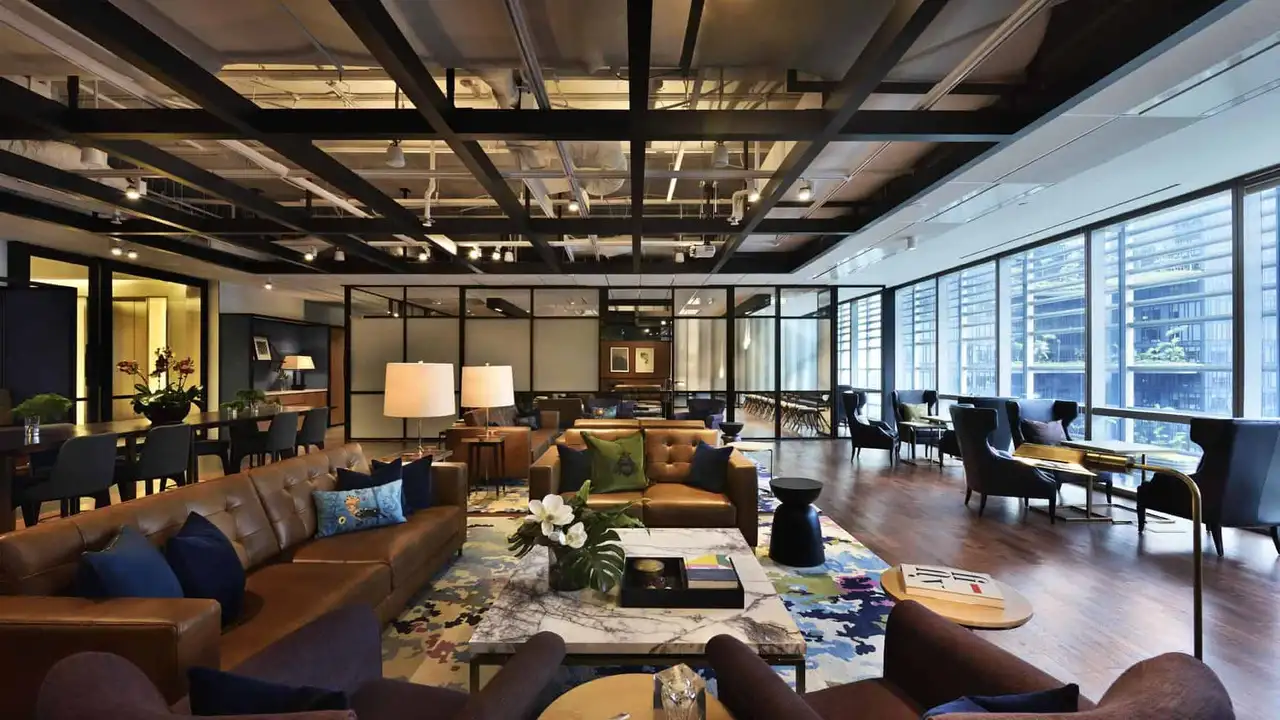
- Luxurious, hotel-inspired design and furnishings.
- Exceptional service, often including concierge and administrative support.
- Gourmet coffee, snacks, and sometimes even breakfast.
- State-of-the-art meeting rooms and event spaces.
- High-speed, ultra-reliable internet.
- Networking events with a focus on business and entrepreneurship.
Typical Pricing (Monthly, USD, approximate):
- Hot Desk / Flexi Desk: $400 - $700+
- Dedicated Desk: $800 - $1200+
- Private Office: $1500 - $3000+ (for a single person office)
Comparison: The Great Room is at the higher end of the co-working spectrum, competing with premium WeWork locations and Regus's more upscale offerings. It's significantly more expensive than spaces in Southeast Asian nomad hubs but offers an unparalleled level of luxury, service, and a highly professional environment. It's ideal for those who need to impress clients or simply prefer a more refined workspace.
Making the Final Decision Your Perfect Co-working Match
Choosing the best co-working space is a personal journey. It's about aligning your work needs, budget, and desired lifestyle with what a space offers. Don't be afraid to try a few different places in a new city before committing to a monthly membership. The beauty of being a digital nomad is the flexibility, so use that to your advantage when finding your ideal workspace. Happy co-working!
:max_bytes(150000):strip_icc()/277019-baked-pork-chops-with-cream-of-mushroom-soup-DDMFS-beauty-4x3-BG-7505-5762b731cf30447d9cbbbbbf387beafa.jpg)