Comparing Travel Insurance for Health Emergencies
Secure your health with the best travel insurance for digital nomads. Compare plans for comprehensive coverage.
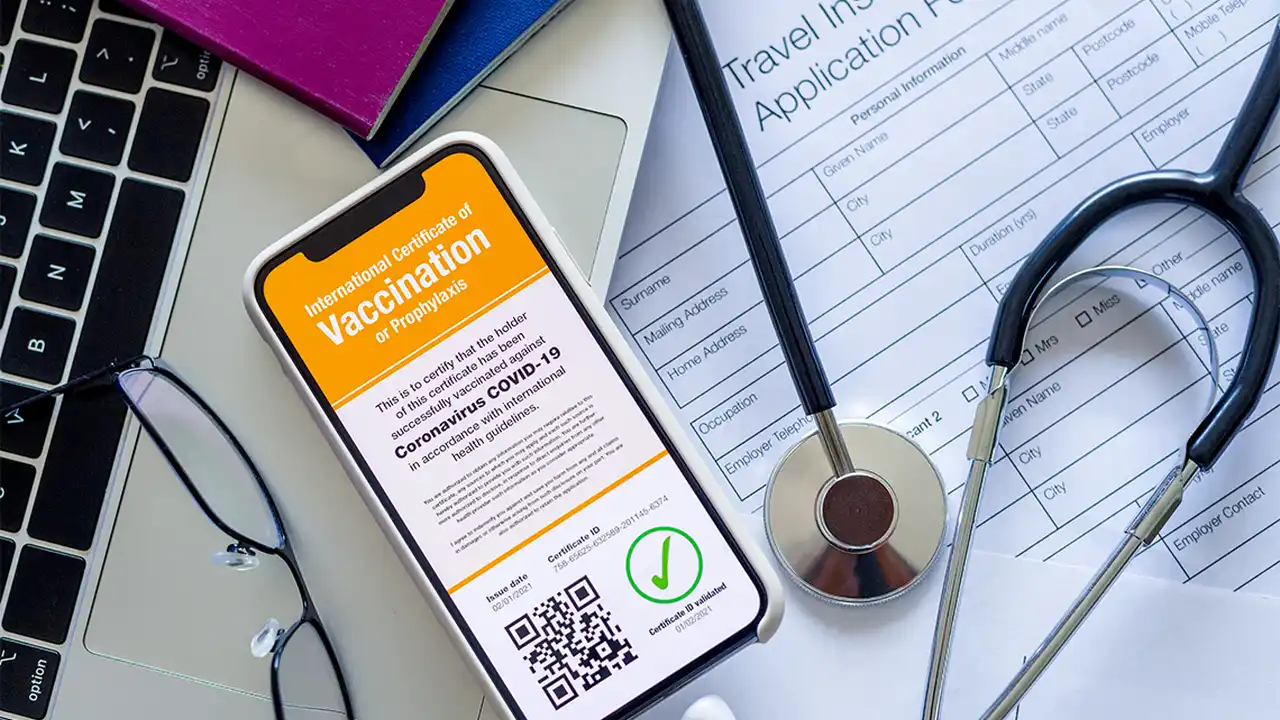
Secure your health with the best travel insurance for digital nomads. Compare plans for comprehensive coverage.
Comparing Travel Insurance for Health Emergencies
Hey there, fellow digital nomads! Let's talk about something super important but often overlooked: travel insurance, especially for those pesky health emergencies. When you're living the dream, hopping from Bali to Bangkok, or from Lisbon to Medellín, the last thing you want to worry about is getting sick or injured. But let's be real, life happens. A nasty bout of food poisoning in Vietnam, a scooter accident in Thailand, or even just a bad flu in Portugal can quickly turn your adventure into a nightmare, not to mention a massive financial burden. That's why having the right travel insurance isn't just a good idea; it's absolutely essential for anyone embracing the digital nomad lifestyle.
We're not just talking about lost luggage here (though that's covered too, usually). We're focusing on health emergencies because medical costs abroad can be astronomical, especially if you need hospitalization, surgery, or even emergency evacuation. Imagine breaking a leg in a remote part of Southeast Asia and needing to be flown to a major city for treatment, or worse, back to your home country. Without insurance, that could easily run into tens of thousands of dollars, wiping out your savings and forcing you to cut your nomad journey short. So, let's dive deep into comparing some of the best travel insurance options out there, looking at what they offer, who they're best for, and what you can expect to pay.
Understanding Digital Nomad Travel Insurance Needs
Before we jump into specific providers, it's crucial to understand what makes travel insurance 'digital nomad friendly.' Traditional travel insurance often has strict limits on trip duration, usually 30, 60, or 90 days, which simply doesn't cut it for us long-term travelers. We need plans that offer continuous coverage, often for a year or more, and allow us to renew easily from anywhere in the world. We also need flexibility – the ability to change our itinerary without voiding our policy, and coverage in multiple countries, not just one specific destination.
Key features to look for include:
- Emergency Medical Coverage: This is the big one. It should cover doctor visits, hospital stays, surgeries, prescription medications, and emergency dental work. Look for high coverage limits, ideally over $100,000, but more is always better.
- Emergency Medical Evacuation: If you're in a remote area or a country with limited medical facilities, this covers the cost of transporting you to a suitable medical facility. This can be incredibly expensive without insurance.
- Repatriation of Remains: A grim but necessary consideration. This covers the cost of returning your remains to your home country in the event of death.
- Trip Interruption/Cancellation: While less critical for nomads who often have flexible plans, it can still be useful if you have pre-booked flights or accommodations that you need to cancel due to an emergency.
- Baggage Loss/Delay: Covers the cost of replacing essential items if your luggage is lost or delayed.
- Personal Liability: Protects you if you accidentally cause injury to someone or damage their property.
- Adventure Sports Coverage: If you're into surfing, diving, hiking, or other adventurous activities, make sure your policy covers these. Many standard policies exclude them.
- COVID-19 Coverage: In today's world, this is non-negotiable. Ensure your policy covers medical treatment for COVID-19 and related travel disruptions.
- Mental Health Coverage: Increasingly important, some policies now offer coverage for mental health support, which can be invaluable on the road.
Leading Travel Insurance Providers for Digital Nomads
Alright, let's get down to the nitty-gritty. Here are some of the top contenders in the digital nomad travel insurance space, with a look at their strengths, weaknesses, and typical pricing scenarios.
SafetyWing Nomad Insurance: The Go-To for Flexibility and Affordability
Who it's for: SafetyWing is practically synonymous with digital nomad insurance. It's designed specifically for remote workers and nomads, offering incredible flexibility and affordability. If you're looking for a straightforward, no-frills option that covers the essentials, this is often the first place people look.
Key Features & Coverage:
- Continuous Coverage: You can purchase it while already abroad and it automatically renews every 28 days until you cancel, making it perfect for indefinite travel.
- Home Country Coverage: A unique feature – for every 90 days of coverage, you get 30 days of coverage in your home country (15 days if your home country is the US). This is a huge plus for those who visit home periodically.
- Emergency Medical: Up to $250,000 (or $100,000 for those 65+). This covers hospital stays, doctor visits, prescription drugs, and emergency dental.
- Emergency Medical Evacuation: Up to $100,000.
- Travel Delay: Up to $100 per day for up to 2 days (after a 12-hour delay), for accommodation and meals.
- Lost Checked Luggage: Up to $500 per item, max $3,000.
- COVID-19 Coverage: Treated like any other illness, covered under the medical benefits.
- Adventure Sports: Many common activities are covered, but always check the list for specifics.
- Age Limit: Available for individuals up to 69 years old.
Pricing Scenario: For a 30-year-old non-US citizen, expect to pay around $45-50 for 4 weeks of coverage. For a US citizen, it's slightly higher, around $80-90 for 4 weeks, due to higher US medical costs. This makes it one of the most budget-friendly options out there.
Pros: Super flexible, affordable, automatic renewal, home country coverage, covers COVID-19, easy to buy and manage online.
Cons: Lower coverage limits compared to some premium plans, higher deductible ($250), not ideal for pre-existing conditions (though some acute onset is covered), no coverage for electronics or high-value items.
World Nomads Travel Insurance: Comprehensive for the Adventurous Nomad
Who it's for: World Nomads is a long-standing favorite, especially among adventurous travelers and those who need more robust coverage, particularly for sports and activities. If you're planning on skydiving, scuba diving, or trekking in remote areas, World Nomads often has you covered where others don't.
Key Features & Coverage:
- Two Plans: Standard and Explorer: The Explorer plan offers higher limits and covers more adventure activities.
- Emergency Medical: Up to $100,000 (Standard) or $250,000 (Explorer).
- Emergency Medical Evacuation: Up to $300,000 (Standard) or $500,000 (Explorer). This is significantly higher than SafetyWing.
- Trip Cancellation/Interruption: Up to $2,500 (Standard) or $10,000 (Explorer).
- Baggage & Personal Effects: Up to $1,000 (Standard) or $3,000 (Explorer). This includes coverage for electronics, which is a big deal for digital nomads.
- Adventure Activities: Covers over 150 activities, from bungee jumping to white water rafting. This is where they really shine.
- COVID-19 Coverage: Yes, for emergency medical and trip interruption/cancellation.
- Buy While Traveling: You can purchase or extend your policy while already on the road.
Pricing Scenario: For a 30-year-old non-US citizen, a 3-month Explorer plan could be around $400-600, depending on your home country and specific activities. It's definitely more expensive than SafetyWing, but you get a lot more coverage and peace of mind for adventurous pursuits.
Pros: Excellent coverage for adventure sports, higher limits for medical and evacuation, good coverage for electronics, flexible to buy/extend while traveling, strong customer service.
Cons: More expensive, higher deductibles can apply, not ideal for very long-term continuous travel (though you can extend), pre-existing conditions generally not covered.
Genki World (formerly Genki) / Heymondo: Modern Options with Good Tech
Who it's for: Genki World and Heymondo are two modern insurance providers that have gained popularity among digital nomads for their user-friendly apps, good coverage, and competitive pricing. They often strike a good balance between affordability and comprehensive benefits.
Genki World (formerly Genki)
Key Features & Coverage:
- Long-Term Travel Insurance: Designed for continuous travel, you can get coverage for up to 2 years.
- Emergency Medical: Up to €500,000 (approx. $540,000 USD). This is a very generous limit.
- Emergency Medical Evacuation: Unlimited coverage, which is fantastic.
- Repatriation: Unlimited coverage.
- Home Country Coverage: Up to 42 days per year, which is great for visits home.
- COVID-19 Coverage: Fully covered for medical treatment.
- Adventure Sports: Many common activities are covered.
- Mental Health: Up to €1,000 for outpatient psychological treatment.
- Digital Nomad Perks: Offers a 'Nomad Benefits' package with discounts on co-working spaces, VPNs, and more.
Pricing Scenario: For a 30-year-old, expect to pay around €60-70 per month (approx. $65-75 USD), making it very competitive, especially considering the high medical and evacuation limits.
Pros: High medical and evacuation limits, unlimited repatriation, good home country coverage, mental health coverage, nomad-specific perks, user-friendly platform.
Cons: Not as widely known as SafetyWing or World Nomads, some exclusions for pre-existing conditions.
Heymondo
Key Features & Coverage:
- Multiple Plans: Offers various plans (e.g., Single Trip, Multi-Trip, Long Stay) to suit different travel styles. The Long Stay plan is best for nomads.
- Emergency Medical: Up to $10,000,000 (yes, ten million!) on their Premium plan, or $600,000 on their Top plan. Even their basic plan offers $100,000.
- Emergency Medical Evacuation: Up to $1,000,000.
- Trip Cancellation/Interruption: Up to $7,000.
- Baggage & Personal Effects: Up to $2,500.
- COVID-19 Coverage: Comprehensive coverage for medical expenses, PCR tests, and trip cancellation due to illness.
- 24/7 Medical Chat: Access to a doctor via their app, which is super convenient.
- Adventure Sports: Optional add-on for adventure sports coverage.
Pricing Scenario: For a 30-year-old, a 3-month Long Stay plan with Heymondo could range from $200-500 depending on the chosen coverage level (Top vs. Premium). Their pricing is flexible based on the level of coverage you need.
Pros: Extremely high medical coverage limits, 24/7 medical chat, good COVID-19 coverage, flexible plans, user-friendly app.
Cons: Can be more expensive for the highest coverage tiers, adventure sports often an add-on, some reviews mention slower claims processing.
Cigna Global: Premium Health Insurance for Long-Term Expats
Who it's for: Cigna Global isn't strictly 'travel insurance' in the same vein as the others; it's international health insurance. This is for digital nomads who are looking for comprehensive, long-term health coverage that rivals what you'd get in your home country, especially if you have pre-existing conditions or want access to top-tier medical facilities worldwide. It's a more premium, robust option.
Key Features & Coverage:
- Comprehensive Health Coverage: Covers inpatient, outpatient, and often dental and vision (depending on the plan).
- High Coverage Limits: Often unlimited or very high annual limits.
- Worldwide Coverage: You choose your area of coverage (e.g., worldwide excluding US, worldwide including US).
- Pre-existing Conditions: Can be covered, though often with a waiting period or higher premiums. This is a major differentiator.
- Direct Billing: Often has direct billing arrangements with hospitals and clinics, meaning less out-of-pocket expense for you.
- Mental Health: Comprehensive mental health coverage is usually included.
- Wellness Programs: Often includes wellness benefits and preventative care.
Pricing Scenario: This is where Cigna Global differs significantly. For a 30-year-old, monthly premiums can range from $150 to $500+, depending on the chosen plan, deductible, and area of coverage. It's a significant investment, but it provides peace of mind that traditional travel insurance can't match.
Pros: Extremely comprehensive, covers pre-existing conditions (with caveats), high coverage limits, direct billing, excellent for long-term expats and nomads who prioritize health coverage above all else.
Cons: Much more expensive than travel insurance, not designed for short-term trips, can be complex to set up, might have waiting periods for certain conditions.
Comparing Specific Scenarios and Use Cases
Let's break down which insurance might be best for different types of digital nomads:
The Budget-Conscious Nomad: SafetyWing
If you're just starting out, on a tight budget, and primarily concerned with covering major medical emergencies and evacuations, SafetyWing is your best bet. Its low monthly cost and automatic renewal make it incredibly convenient. Just be aware of the $250 deductible and lower limits compared to premium options. It's perfect for those who are generally healthy and don't plan on extreme sports.
The Adventure Seeker: World Nomads
Planning to hike volcanoes in Guatemala, surf in Costa Rica, or dive in the Philippines? World Nomads, especially their Explorer plan, is designed for you. While pricier, the extensive list of covered adventure activities and higher evacuation limits provide crucial protection for your adrenaline-fueled lifestyle. The coverage for electronics is also a huge plus for nomads carrying expensive gear.
The Balanced Nomad: Genki World / Heymondo
If you want more comprehensive coverage than SafetyWing but don't need the extreme adventure focus of World Nomads, Genki World or Heymondo offer a fantastic middle ground. Genki World's unlimited evacuation and high medical limits are very attractive, as is Heymondo's 24/7 medical chat. They both offer modern, app-based experiences that fit well with the digital nomad ethos.
The Long-Term Expat / Nomad with Pre-existing Conditions: Cigna Global
For those who view their nomad life as a permanent relocation rather than just extended travel, or if you have pre-existing medical conditions that require ongoing care, Cigna Global (or similar international health insurance providers) is the way to go. It's a significant financial commitment, but it provides peace of mind that you'll have access to quality healthcare no matter where you are, just like you would at home.
Important Considerations and Tips for Choosing
Read the Fine Print: Policy Wording is Key
Seriously, don't just skim the highlights. Every insurance policy has exclusions, limitations, and specific conditions. Understand what's covered and, more importantly, what's NOT covered. Pay close attention to:
- Deductibles: How much you have to pay out of pocket before the insurance kicks in.
- Coverage Limits: The maximum amount the insurance company will pay for a specific type of claim.
- Exclusions: What the policy explicitly does not cover (e.g., certain adventure sports, pre-existing conditions, self-inflicted injuries, alcohol/drug-related incidents).
- Geographic Coverage: Does it cover all the countries you plan to visit? Is your home country included for short visits?
- Claims Process: How easy is it to file a claim? What documentation do you need?
Pre-existing Conditions: A Major Hurdle
Most standard travel insurance policies will not cover pre-existing medical conditions. If you have a chronic illness, diabetes, heart condition, etc., you'll need to look for specialized policies or international health insurance like Cigna Global, which may offer coverage with specific terms, waiting periods, or higher premiums. Be honest about your medical history; withholding information can lead to claims being denied.
Adventure Sports and Activities: Check the List
If you're planning on anything more adventurous than swimming in a hotel pool, double-check if your chosen activities are covered. Many policies have a list of excluded activities. Some, like World Nomads, are known for their extensive adventure sports coverage, while others might require an add-on or simply won't cover them at all.
Electronics and Valuables: Separate Coverage?
While some travel insurance policies (like World Nomads Explorer) offer decent coverage for electronics, it's often limited. If you're traveling with expensive camera gear, laptops, drones, etc., you might consider a separate gadget insurance policy or checking if your home contents insurance offers worldwide coverage for these items. Don't rely solely on travel insurance for high-value electronics.
Emergency Assistance Services: 24/7 Support
A good travel insurance policy comes with 24/7 emergency assistance. This isn't just about filing a claim; it's about having a lifeline when you're in a foreign country and need help finding a doctor, arranging medical transport, or dealing with a crisis. Make sure you have their emergency contact details readily available.
Payment and Claims: Keep Records
Always keep detailed records of any medical treatment, receipts, police reports (for theft), and communication with your insurance provider. The more documentation you have, the smoother the claims process will be. For medical expenses, try to get itemized bills and medical reports from doctors.
Real-World Scenarios: Why It Matters
Let's imagine a few scenarios to really drive home why this is so important:
Scenario 1: The Scooter Accident in Bali
You're cruising through Canggu, enjoying the rice paddies, and suddenly, a dog runs into the road. You swerve, fall, and break your arm. You need immediate medical attention, X-rays, and possibly surgery. Without insurance, a visit to a private hospital in Bali could easily cost a few thousand dollars. If you need to be flown to Singapore for more specialized treatment, that's another $10,000+. With a good policy like SafetyWing or Heymondo, your medical bills and evacuation costs would be covered, leaving you to focus on recovery, not financial ruin.
Scenario 2: Dengue Fever in Thailand
After a few weeks in Chiang Mai, you start feeling feverish and achy. It turns out to be dengue fever, requiring a few days in the hospital for monitoring and IV fluids. Hospital stays in Thailand, while cheaper than the US, can still add up, especially in tourist-heavy areas. Your travel insurance would cover the hospital bills, doctor consultations, and medication, ensuring you get the care you need without depleting your travel fund.
Scenario 3: Lost Laptop in Lisbon
Your backpack, containing your precious work laptop, gets stolen from a cafe in Lisbon. This isn't just an inconvenience; it's a major blow to your livelihood. If you have a policy like World Nomads Explorer that covers personal effects, you could claim for the replacement cost of your laptop (up to your policy limit), allowing you to get back to work quickly. SafetyWing, on the other hand, typically wouldn't cover this, highlighting the need to choose a policy that matches your specific needs.
Scenario 4: Acute Appendicitis in Colombia
Suddenly, you're experiencing severe abdominal pain in Medellín. It's appendicitis, and you need emergency surgery. This is a serious medical emergency that requires immediate and often expensive intervention. A comprehensive policy from Genki World or Heymondo with high medical limits would cover the surgery, hospital stay, and follow-up care, ensuring you receive top-notch treatment without worrying about the bill.
Final Thoughts on Protecting Your Nomad Journey
Choosing the right travel insurance for health emergencies as a digital nomad isn't a one-size-fits-all decision. It depends on your budget, your travel style, your health status, and the level of risk you're comfortable with. However, one thing is clear: going without insurance is a gamble that's simply not worth taking. The potential financial and emotional costs of a medical emergency abroad far outweigh the cost of a good insurance policy.
Take the time to research, compare quotes, and read the policy documents carefully. Don't be afraid to reach out to the insurance providers with specific questions, especially regarding pre-existing conditions or planned adventure activities. Think of travel insurance not as an expense, but as an investment in your peace of mind and the longevity of your digital nomad adventure. Stay safe, stay healthy, and keep exploring the world!
:max_bytes(150000):strip_icc()/277019-baked-pork-chops-with-cream-of-mushroom-soup-DDMFS-beauty-4x3-BG-7505-5762b731cf30447d9cbbbbbf387beafa.jpg)