Essential Portable Monitors for Digital Nomads
Boost your remote work setup with portable monitors. Reviews of lightweight and high-performance options.
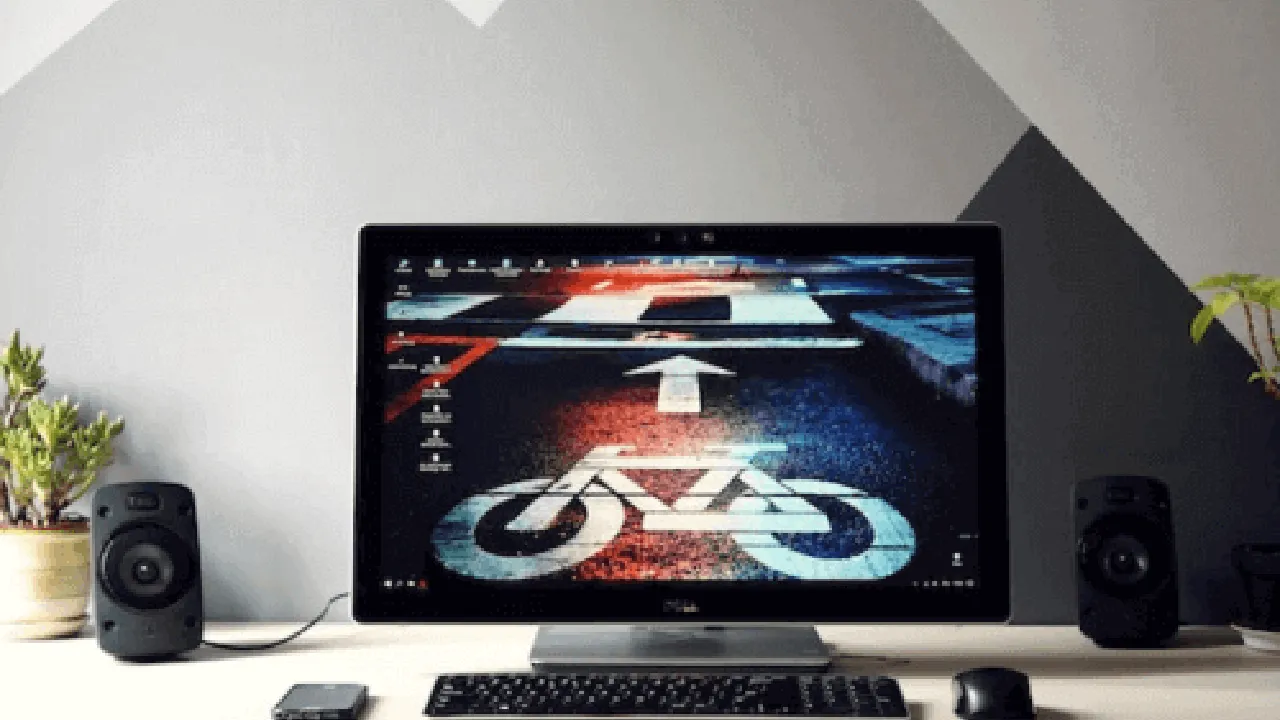
Boost your remote work setup with portable monitors. Reviews of lightweight and high-performance options.
Essential Portable Monitors for Digital Nomads
Hey there, fellow digital nomads and remote work warriors! Let's talk about something that can seriously level up your productivity and make your on-the-go office feel a whole lot more like home: portable monitors. If you've ever found yourself squinting at a single laptop screen, juggling multiple tabs, and wishing for just a little more digital real estate, you know the struggle is real. That's where portable monitors come in – they're game-changers for anyone who needs to work efficiently from anywhere, whether that's a bustling co-working space in Bali, a quiet cafe in Lisbon, or even a camper van overlooking the Rockies.
Think about it: when you're used to a dual-monitor setup at home, switching to just your laptop screen can feel like trying to cook a gourmet meal in a tiny kitchenette. It's doable, but it's not ideal, and it definitely slows you down. Portable monitors offer that much-needed extra screen without the bulk and hassle of a traditional desktop monitor. They're designed to be lightweight, slim, and easy to pack, making them the perfect companion for your nomadic lifestyle. But with so many options out there, how do you pick the right one? Don't sweat it, I'm here to break it all down for you.
Why Portable Monitors are a Digital Nomad's Best Friend Productivity Boosters
Let's get straight to the point: more screen space equals more productivity. It's not just a luxury; for many tasks, it's a necessity. Imagine being able to have your main document open on your laptop screen while referencing research, communicating with clients, or managing your project on a second display. No more constant alt-tabbing, no more losing your train of thought trying to find that one window. This seamless workflow can significantly reduce eye strain and mental fatigue, allowing you to work longer and more effectively. For tasks like coding, graphic design, video editing, or even just managing complex spreadsheets, a second screen isn't just helpful; it's transformative.
Key Features to Look for in Portable Monitors for Remote Work
Before we dive into specific recommendations, let's talk about what makes a great portable monitor for the digital nomad lifestyle. Not all portable monitors are created equal, and what works for someone setting up a temporary home office might not be ideal for someone constantly on the move.
Screen Size and Resolution Finding Your Sweet Spot
Most portable monitors range from 13 to 17 inches. A 15.6-inch screen is often the sweet spot, offering a good balance between screen real estate and portability. As for resolution, 1080p (Full HD) is standard and perfectly adequate for most tasks. If you're a graphic designer or video editor, you might crave 4K, but be prepared for a higher price tag and potentially more battery drain if it's bus-powered. Remember, higher resolution on a small screen can sometimes make text tiny, so consider your primary use case.
Connectivity Options USB C HDMI and More
This is crucial. USB-C is the gold standard for portable monitors. Why? Because a single USB-C cable can often handle power, video, and touch input (if applicable). This means less cable clutter and a simpler setup. Make sure your laptop has a full-featured USB-C port that supports DisplayPort Alternate Mode. If not, don't worry! Many portable monitors also come with HDMI ports, which will require a separate power source (usually via another USB-C or micro-USB port). Some might even have mini-DisplayPort. Always check the ports on both your laptop and the monitor to ensure compatibility.
Power Source Battery Powered vs Bus Powered
Portable monitors are typically powered in one of two ways: bus-powered or with an internal battery. Bus-powered monitors draw power directly from your laptop via a USB-C cable. This is super convenient as it means one less charger to carry, but it will drain your laptop's battery faster. Monitors with an internal battery offer more flexibility, as they don't rely on your laptop for power, but they add weight and another device to charge. Consider your typical work environment: if you're always near an outlet, bus-powered is fine. If you often work in places without easy access to power, a battery-powered option might be better.
Weight and Portability Travel Friendly Designs
As digital nomads, every ounce in our bags counts. Look for monitors that are genuinely lightweight and slim. Anything under 2 pounds (around 1 kg) is excellent. The thinner, the better, as it will slide into your backpack or laptop sleeve without adding significant bulk. Integrated stands or smart covers that double as stands are also a huge plus, as they eliminate the need for extra accessories.
Build Quality and Durability Road Warrior Ready
Your portable monitor is going to see some action. It'll be packed, unpacked, and potentially bumped around. Look for models with a sturdy build, perhaps an aluminum casing, and a protective cover. A monitor that feels flimsy is likely to break on your first long-haul flight.
Touchscreen Functionality and Stylus Support Interactive Workflows
While not essential for everyone, touchscreen functionality can be a game-changer for certain workflows, especially if you're giving presentations, annotating documents, or doing light design work. Some even support stylus input, turning your portable monitor into a makeshift drawing tablet. This usually comes at a higher price point, so weigh whether you truly need it.
Top Portable Monitors for Digital Nomads Product Reviews and Comparisons
Alright, let's get to the good stuff! Here are some of the best portable monitors on the market right now, catering to different needs and budgets. I'll highlight their strengths, ideal use cases, and approximate pricing.
1 ASUS ZenScreen MB16ACV The Reliable Workhorse
Overview: The ASUS ZenScreen series is a long-standing favorite among digital nomads, and the MB16ACV is a fantastic all-rounder. It's known for its sleek design, ease of use, and solid performance.
Key Features:
- Screen Size: 15.6 inches
- Resolution: 1920 x 1080 (Full HD)
- Connectivity: USB-C (DisplayPort Alt Mode)
- Power: Bus-powered (draws power from your laptop)
- Weight: Approximately 1.8 lbs (0.83 kg)
- Stand: Integrated smart case that doubles as a stand
- Special Features: Anti-glare panel, Flicker-free technology, Blue Light Filter for eye comfort.
Ideal for: Everyday productivity, general office tasks, coding, writing. It's a no-fuss, get-the-job-done monitor that's incredibly reliable.
Usage Scenario: You're in a co-working space in Chiang Mai, needing to manage your email on one screen and your project management software on the other. You simply plug in one USB-C cable, and you're good to go. The anti-glare screen is a blessing when working near windows.
Approximate Price: $200 - $250 USD
2 ViewSonic VG1655 The Robust and Versatile Option
Overview: ViewSonic is a well-respected name in displays, and their VG1655 portable monitor lives up to that reputation. It offers excellent build quality and a versatile design.
Key Features:
- Screen Size: 15.6 inches
- Resolution: 1920 x 1080 (Full HD)
- Connectivity: 2x USB-C (DisplayPort Alt Mode), 1x Mini HDMI
- Power: Bus-powered or external power via USB-C
- Weight: Approximately 1.7 lbs (0.77 kg)
- Stand: Built-in kickstand (more robust than a smart cover)
- Special Features: Dual USB-C ports for flexible connectivity, VESA mount compatible (if you ever want to mount it), durable metal casing.
Ideal for: Users who need more robust connectivity options, prefer a built-in kickstand, and value durability. Great for presentations or connecting to various devices.
Usage Scenario: You're giving a presentation to a client in a hotel meeting room. You can easily connect your laptop via USB-C and a projector via HDMI, using the portable monitor as your presenter view. The sturdy kickstand ensures it won't wobble.
Approximate Price: $220 - $280 USD
3 Arzopa Portable Monitor 15.6 inch The Budget Friendly Performer
Overview: Arzopa has gained popularity for offering surprisingly good quality at a very competitive price point. If you're on a tighter budget but still need that extra screen, this is a strong contender.
Key Features:
- Screen Size: 15.6 inches
- Resolution: 1920 x 1080 (Full HD)
- Connectivity: 2x USB-C (DisplayPort Alt Mode), 1x Mini HDMI
- Power: Bus-powered or external power via USB-C
- Weight: Approximately 1.7 lbs (0.77 kg)
- Stand: Smart cover included
- Special Features: Often comes with all necessary cables (USB-C to USB-C, HDMI to Mini HDMI, USB-A to USB-C for power).
Ideal for: Budget-conscious digital nomads, students, or anyone looking for a reliable secondary display without breaking the bank. It's a great entry-level option.
Usage Scenario: You're a student working on a research paper in a hostel common area. You need to have your essay open on your laptop and multiple research tabs on the Arzopa monitor. Its affordability means you don't have to worry too much about accidental bumps.
Approximate Price: $120 - $180 USD
4 Xebec Tri Screen 2 The Ultimate Multi Screen Nomad Setup
Overview: This one is a bit different. The Xebec Tri-Screen 2 isn't just one portable monitor; it's two! It attaches directly to your laptop screen, giving you a triple-screen setup on the go. It's a niche product but incredibly powerful for those who need maximum screen real estate.
Key Features:
- Screen Size: 10.1 inches (each monitor)
- Resolution: 1920 x 1200 (WUXGA)
- Connectivity: USB-C (DisplayPort Alt Mode) for each screen
- Power: Bus-powered (draws power from your laptop)
- Weight: Approximately 2.5 lbs (1.13 kg) for both screens combined
- Stand: Attaches directly to your laptop
- Special Features: Creates a true triple-screen setup, highly immersive for complex tasks.
Ideal for: Power users, developers, traders, video editors, or anyone who absolutely needs a multi-monitor setup and is willing to sacrifice a bit of portability for it. Best for larger laptops (13-17 inches).
Usage Scenario: You're a day trader managing multiple charts and news feeds from a remote cabin. The Tri-Screen 2 allows you to replicate your home office setup, giving you a significant edge in monitoring market movements.
Approximate Price: $400 - $500 USD
5 UPerfect 4K Portable Monitor The High Resolution Powerhouse
Overview: If you're a creative professional who absolutely needs crisp, high-resolution visuals, the UPerfect 4K portable monitor is worth considering. It brings stunning clarity to your mobile workspace.
Key Features:
- Screen Size: 15.6 inches
- Resolution: 3840 x 2160 (4K UHD)
- Connectivity: 2x USB-C (DisplayPort Alt Mode), 1x Mini HDMI
- Power: Bus-powered or external power via USB-C
- Weight: Approximately 2.2 lbs (1 kg)
- Stand: Smart cover included
- Special Features: HDR support, often comes with a remote control, excellent color reproduction.
Ideal for: Graphic designers, photographers, video editors, or anyone who demands the highest visual fidelity for their work. Be aware that 4K on a 15.6-inch screen might require scaling in your OS.
Usage Scenario: You're a photographer editing high-resolution images from a hotel room in Kyoto. The UPerfect 4K monitor allows you to see every detail and ensure accurate color grading before delivering to clients.
Approximate Price: $300 - $400 USD
6 Innocn 15A1F OLED Portable Monitor Premium Visuals
Overview: For those who prioritize stunning visuals, deep blacks, and vibrant colors, an OLED portable monitor like the Innocn 15A1F is a dream come true. OLED technology offers superior contrast and color accuracy compared to traditional LCD panels.
Key Features:
- Screen Size: 15.6 inches
- Resolution: 1920 x 1080 (Full HD)
- Connectivity: 2x USB-C (DisplayPort Alt Mode), 1x Mini HDMI
- Power: Bus-powered or external power via USB-C
- Weight: Approximately 1.6 lbs (0.73 kg)
- Stand: Smart cover included
- Special Features: OLED panel for incredible contrast and color, slim design, often includes built-in speakers.
Ideal for: Content creators, video editors, graphic designers, or anyone who consumes a lot of media and wants the best possible visual experience on the go. It's a premium option for those who value display quality above all else.
Usage Scenario: You're a video editor reviewing footage for a client project while waiting for a flight. The OLED screen ensures that the colors and details are as accurate as possible, even in a brightly lit airport lounge.
Approximate Price: $350 - $450 USD
Setting Up Your Portable Monitor Tips and Tricks for Digital Nomads
Getting your portable monitor up and running is usually straightforward, but a few tips can make the experience even smoother, especially when you're constantly changing locations.
Cable Management Keeping it Tidy
Even with just one or two cables, things can get messy quickly. Invest in some small cable ties or a cable organizer. If your monitor comes with a smart cover, use it to keep cables tucked away when not in use. A single USB-C cable setup is always the cleanest option.
Ergonomics on the Go Protecting Your Neck and Eyes
Just because you're mobile doesn't mean you should neglect ergonomics. Try to position your portable monitor at a similar height to your laptop screen to minimize neck strain. If your monitor has a flexible stand, adjust it so the top of the screen is roughly at eye level. Take regular breaks, look away from the screen, and stretch.
Power Considerations Maximizing Battery Life
If your portable monitor is bus-powered, it will draw power from your laptop. This is fine for short bursts, but for longer work sessions, consider plugging both your laptop and the monitor into a power source if available. If your monitor has its own battery, remember to charge it fully before heading out. A good power bank can also be a lifesaver for extending the life of both your laptop and monitor.
Protective Cases and Sleeves Keeping Your Gear Safe
Your portable monitor is an investment, so protect it! Most come with a smart cover, but for extra peace of mind, consider a padded sleeve or a hard case, especially if you're frequently traveling or your bag gets tossed around a lot. Look for cases that are water-resistant and offer good shock absorption.
Software Settings Optimizing Your Display
Once connected, take a moment to adjust your display settings. In Windows or macOS, you can arrange your screens, set their resolution, and adjust scaling. Make sure the portable monitor is set as an extended display, not mirrored, unless you specifically need mirroring for a presentation. You might also want to calibrate the colors if you're doing color-sensitive work, though this can be tricky on the go.
Common Questions About Portable Monitors for Digital Nomads FAQs
Let's tackle some frequently asked questions that often pop up when considering a portable monitor.
Can I use a portable monitor with my tablet or smartphone
Absolutely! Many portable monitors are compatible with tablets and smartphones, especially those with USB-C ports that support DisplayPort Alt Mode. This can turn your tablet into a mini workstation or give you a larger screen for media consumption. It's a fantastic way to get more out of your mobile devices.
Do portable monitors drain laptop battery quickly
Yes, bus-powered portable monitors will draw power from your laptop, which will reduce your laptop's battery life. The extent of the drain depends on the monitor's power consumption and your laptop's battery capacity. If battery life is a major concern, look for a monitor with an internal battery or always carry a power bank and charger.
Are portable monitors good for gaming
Some portable monitors are surprisingly good for gaming! Look for models with a higher refresh rate (e.g., 120Hz or 144Hz) and low response times if gaming is a priority. While they won't replace a dedicated gaming monitor, they can offer a decent experience for casual gaming or when you want to play console games on a larger screen while traveling.
What if my laptop doesnt have USB C with DisplayPort Alt Mode
No problem! Most portable monitors also include an HDMI port (often mini-HDMI). You'll just need an HDMI cable and a separate power source for the monitor (usually a USB-C to USB-A cable connected to your laptop's USB port or a wall adapter). It's a bit more cable management, but still totally functional.
How durable are portable monitors for travel
Durability varies by model. Higher-end monitors often feature aluminum casings and more robust designs. Always look for a monitor that comes with a protective smart cover or invest in a separate padded sleeve or hard case. Treat it like you would your laptop – with care!
Making the Right Choice for Your Digital Nomad Journey
Choosing the best portable monitor really comes down to your specific needs, workflow, and budget. Are you a developer who needs maximum screen space for code? A designer who demands color accuracy? Or just someone who wants a little extra room to breathe while managing emails and documents? Consider the factors we've discussed: screen size, resolution, connectivity, power source, and portability.
No matter which one you choose, adding a portable monitor to your digital nomad toolkit is an investment in your productivity and comfort. It transforms your mobile workspace from cramped to expansive, allowing you to work more efficiently and enjoy your nomadic adventures even more. Happy travels and happy working!
:max_bytes(150000):strip_icc()/277019-baked-pork-chops-with-cream-of-mushroom-soup-DDMFS-beauty-4x3-BG-7505-5762b731cf30447d9cbbbbbf387beafa.jpg)