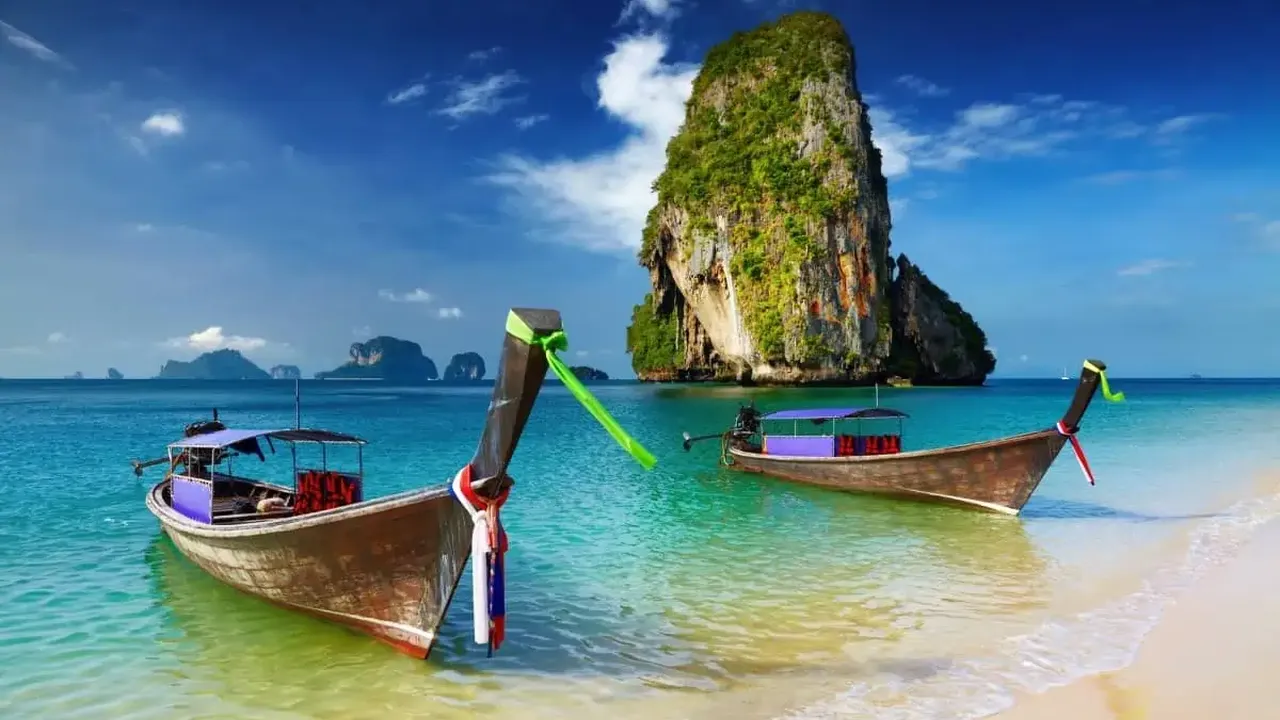
Top 3 Islands for Remote Work and Relaxation
Combine work and leisure on the best islands for digital nomads. Find serene and productive remote work spots.

Combine work and leisure on the best islands for digital nomads. Find serene and productive remote work spots. The dream of working from a tropical paradise isn't just a fantasy anymore. For digital nomads, the allure of sun-drenched beaches, vibrant cultures, and a relaxed pace of life, all while staying connected to their work, is incredibly strong. But with so many islands out there, how do you pick the perfect one that balances productivity with pure relaxation? This article dives deep into the top three islands that truly offer the best of both worlds for remote workers, providing detailed insights into their infrastructure, lifestyle, and even specific recommendations for making your island work-cation a reality.
Top 3 Islands for Remote Work and Relaxation
Bali Indonesia The Digital Nomad Mecca
Bali, often dubbed the 'Island of the Gods,' has long been a magnet for digital nomads. Its unique blend of spiritual culture, stunning natural beauty, and a well-established infrastructure for remote workers makes it an undeniable top contender. From the lush rice paddies of Ubud to the surf breaks of Canggu, Bali offers diverse environments to suit every taste.
Why Bali is a Digital Nomad Paradise
- Cost of Living Bali Affordability and Lifestyle: Compared to Western countries, Bali offers an incredibly affordable cost of living. You can enjoy delicious local food, comfortable accommodation, and exciting activities without breaking the bank. A decent meal can cost as little as $3-5, and a comfortable villa rental can range from $500-1500 per month, depending on location and amenities.
- Internet Connectivity Bali Reliable Wi-Fi for Remote Work: While not always perfect, Bali's internet infrastructure has significantly improved. Most co-working spaces and many cafes offer reliable high-speed Wi-Fi. For personal use, mobile data plans are affordable and widely available, with providers like Telkomsel and XL Axiata offering good coverage.
- Digital Nomad Community Bali Networking and Support: Bali boasts one of the largest and most active digital nomad communities in the world. This means endless opportunities for networking, collaboration, and making new friends. There are numerous meetups, workshops, and social events happening constantly.
- Co-working Spaces Bali Productive Environments: The island is dotted with excellent co-working spaces, offering everything from hot desks to private offices, often with amenities like swimming pools, cafes, and even yoga studios.
Recommended Co-working Spaces in Bali
- Dojo Bali Canggu: Located in the heart of Canggu, Dojo is a legendary co-working space known for its strong community, fast internet, and excellent facilities. It offers various membership plans, from daily passes ($10-15) to monthly unlimited access ($150-200). They have air-conditioned spaces, Skype booths, a swimming pool, and a cafe.
- Outpost Ubud: For those seeking a more serene environment, Outpost in Ubud provides a tranquil setting amidst rice paddies. It's known for its focus on productivity and wellness, offering yoga classes and a supportive community. Monthly memberships typically range from $120-180.
- Hubud Ubud (now part of Outpost): Historically a pioneer in Bali's co-working scene, Hubud's legacy lives on through Outpost. It was famous for its bamboo architecture and vibrant community.
Accommodation Options in Bali for Digital Nomads
- Villas and Guesthouses: Renting a private villa or guesthouse is a popular choice, offering more space and privacy. Prices vary greatly depending on location (Canggu, Ubud, Seminyak), amenities, and duration of stay. Expect to pay $500-1500 USD per month for a decent one-bedroom villa.
- Co-living Spaces: For those looking to instantly connect with other nomads, co-living spaces like Tribe Theory or Roam offer private rooms with shared common areas and built-in communities. Prices can range from $400-800 per month.
Things to Do in Bali Beyond Work
- Surfing and Beach Life: Canggu and Uluwatu are famous for their surf breaks.
- Yoga and Wellness: Ubud is a global hub for yoga retreats and wellness activities.
- Exploring Temples and Culture: Visit ancient temples like Tanah Lot and Uluwatu Temple.
- Waterfalls and Rice Terraces: Discover the stunning natural landscapes.
Koh Lanta Thailand The Laid-Back Island Escape
If Bali feels a bit too bustling for your taste, Koh Lanta in Thailand offers a more laid-back, tranquil alternative. This Andaman Sea island is known for its long, sandy beaches, lush jungles, and a slower pace of life, making it ideal for digital nomads seeking peace and quiet without sacrificing community or connectivity.
Why Koh Lanta is a Hidden Gem for Remote Workers
- Cost of Living Koh Lanta Affordability and Serenity: Koh Lanta is generally more affordable than Bali, especially for accommodation and local food. You can find comfortable bungalows for $300-700 per month, and delicious Thai meals for $2-4.
- Internet Connectivity Koh Lanta Reliable for Remote Work: While perhaps not as ubiquitous as in Bali, reliable internet is available, especially in co-working spaces and guesthouses catering to nomads. Mobile data is also strong with providers like AIS and TrueMove H.
- Digital Nomad Community Koh Lanta Intimate and Supportive: The digital nomad community in Koh Lanta is smaller and more intimate, fostering closer connections and a strong sense of belonging. It's perfect for those who prefer a tight-knit group over a sprawling network.
- Work-Life Balance Koh Lanta Relaxation Focus: Koh Lanta truly excels in promoting a healthy work-life balance. The relaxed atmosphere encourages you to disconnect after work and enjoy the island's natural beauty.
Recommended Co-working Spaces in Koh Lanta
- KoHub: This is the undisputed king of co-working on Koh Lanta. KoHub offers excellent internet, a variety of workspaces (including outdoor areas), a swimming pool, and a fantastic community. They also organize regular events and activities. Monthly memberships typically range from $150-250, with daily passes available for $10-15.
Accommodation Options in Koh Lanta for Digital Nomads
- Bungalows and Resorts: Many resorts offer long-term rental options for bungalows, often with kitchenettes. Prices vary based on proximity to the beach and amenities. Expect to pay $300-700 USD per month.
- Apartments: A limited number of apartments are available for rent, offering more modern conveniences.
Things to Do in Koh Lanta Beyond Work
- Beach Hopping: Explore the many beautiful beaches like Long Beach, Klong Dao, and Kantiang Bay.
- Snorkeling and Diving: The Andaman Sea offers incredible marine life.
- Mu Ko Lanta National Park: Hike through lush jungles and discover hidden coves.
- Thai Cooking Classes: Learn to prepare delicious local dishes.
Penang Malaysia The Cultural and Culinary Hub
Penang, a vibrant island off the northwest coast of Malaysia, offers a unique blend of rich history, diverse culture, and incredible food. While not a typical 'tropical paradise' in the same vein as Bali or Koh Lanta, its UNESCO World Heritage city of George Town, coupled with a strong infrastructure and a burgeoning digital nomad scene, makes it an incredibly appealing option for remote workers who crave cultural immersion and culinary adventures.
Why Penang is a Unique Digital Nomad Destination
- Cost of Living Penang Affordability and Urban Comforts: Penang offers a very comfortable and affordable cost of living, especially for a city with such a high quality of life. Food is incredibly cheap and delicious, with street food stalls offering meals for $1-3. Accommodation can range from $400-1000 per month for a modern apartment.
- Internet Connectivity Penang Reliable and Fast: Malaysia boasts excellent internet infrastructure, and Penang is no exception. You'll find fast and reliable Wi-Fi in most cafes, co-working spaces, and accommodations. Mobile data is also very affordable and efficient.
- Cultural Immersion Penang History and Diversity: George Town is a melting pot of Malay, Chinese, Indian, and colonial influences, evident in its architecture, festivals, and, most notably, its food. It's a fantastic place to experience diverse cultures.
- Foodie Paradise Penang Culinary Adventures: Penang is renowned as one of Asia's food capitals. From hawker stalls to fine dining, the culinary scene is an endless adventure.
Recommended Co-working Spaces in Penang
- CAT Centre for Collaborative Innovation: Located in the historic A.B.N. Amro building in George Town, CAT offers a modern and vibrant co-working environment with good internet and a supportive community. Monthly memberships are typically around $100-150.
- Regus Penang: For those seeking a more corporate environment with private offices and meeting rooms, Regus has several locations across Penang. Prices vary based on services and office size.
Accommodation Options in Penang for Digital Nomads
- Apartments and Condos: Modern apartments and condos are widely available, especially in areas like George Town, Tanjung Tokong, and Bayan Lepas. Many come with amenities like swimming pools and gyms. Expect to pay $400-1000 USD per month.
- Boutique Hotels and Guesthouses: George Town has numerous charming boutique hotels and guesthouses, some offering long-term rates.
Things to Do in Penang Beyond Work
- Explore George Town Street Art: Wander through the UNESCO World Heritage site and discover its famous street art.
- Food Tours: Embark on a culinary journey through Penang's legendary hawker centers.
- Penang Hill and Kek Lok Si Temple: Enjoy panoramic views and visit one of Southeast Asia's largest Buddhist temples.
- Beach Relaxation: While not as pristine as Bali or Koh Lanta, Batu Ferringhi offers beach activities and resorts.
Comparing the Top 3 Islands for Digital Nomads
Let's break down how these three fantastic islands stack up against each other across key digital nomad considerations.
Internet Speed and Reliability for Remote Work
- Bali: Generally good in co-working spaces and major tourist areas. Can be spotty in more remote locations. Mobile data is reliable.
- Koh Lanta: Excellent at KoHub, decent in most guesthouses. Mobile data is generally good.
- Penang: Very good across the board, both in co-working spaces and private accommodations. Malaysia has strong internet infrastructure.
Cost of Living Comparison for Digital Nomads
- Bali: Mid-range. Can be very affordable if you eat local and live outside the most popular areas, but can also be expensive for Western-style amenities.
- Koh Lanta: Generally the most affordable of the three, especially for accommodation and food.
- Penang: Very affordable, particularly for food. Accommodation is reasonably priced for a city environment.
Community and Networking Opportunities
- Bali: Massive, diverse, and highly active. Easy to find your niche.
- Koh Lanta: Smaller, more intimate, and very supportive. Great for building close friendships.
- Penang: Growing, with a good mix of local and international professionals. More focused on urban networking.
Work-Life Balance and Lifestyle
- Bali: Offers a good balance, with plenty of activities and a relaxed vibe, but can also be distracting due to its popularity.
- Koh Lanta: Excellent for work-life balance, promoting a slower pace and outdoor activities.
- Penang: More urban, with a focus on cultural exploration and food. Still offers a good balance, but less 'beach bum' vibe.
Visa Options for US Digital Nomads
This is a crucial aspect for long-term stays. While specific visa policies can change, here's a general overview:
- Indonesia (Bali): For US citizens, a 30-day visa-free entry is common, which can sometimes be extended for another 30 days. The B211A visa (social/business visa) is a popular option for longer stays (up to 60 days, extendable twice for a total of 180 days), often obtained through an agent. Indonesia is also developing a specific digital nomad visa, so keep an eye on updates.
- Thailand (Koh Lanta): US citizens typically receive a 30-day visa exemption upon arrival, which can be extended once for another 30 days. The 60-day tourist visa (TR visa) can be obtained in advance and extended for another 30 days. Thailand has also introduced a Long-Term Resident (LTR) visa, which includes a 'wealthy global citizen' category that could be relevant for some digital nomads, offering a 10-year visa.
- Malaysia (Penang): US citizens generally receive a 90-day visa-free entry. Malaysia has also launched its DE Rantau Nomad Pass, specifically designed for digital nomads, offering a visa for up to 12 months, extendable for another 12 months. This is a very attractive option for Penang.
Always check the latest visa regulations with the respective embassy or consulate before planning your trip, as policies can change frequently.
Making Your Island Remote Work Dream a Reality
Choosing the right island depends heavily on your personal preferences and priorities. Do you crave a bustling, spiritual hub with a massive nomad community? Bali might be your pick. Are you looking for serene beaches, a laid-back vibe, and a close-knit community? Koh Lanta could be your paradise. Or perhaps you're a foodie and culture enthusiast who thrives in an urban setting with excellent infrastructure? Penang awaits.
Essential Gear for Island Remote Work
No matter which island you choose, having the right gear can make or break your remote work experience. Here are a few specific product recommendations:
1. Portable Monitor for Enhanced Productivity
- Product: ASUS ZenScreen MB16ACV 15.6” Portable USB Monitor
- Use Case: Essential for digital nomads who need a dual-screen setup for increased productivity but can't carry a bulky second monitor. Perfect for coding, graphic design, or managing multiple documents.
- Comparison: Compared to other portable monitors, the ZenScreen is known for its lightweight design (around 1.7 lbs), USB-C connectivity (single cable for power and video), and a built-in kickstand. Some cheaper alternatives might lack the build quality or single-cable solution.
- Price: Approximately $200-250 USD.
2. Noise-Cancelling Headphones for Focus
- Product: Sony WH-1000XM5 Wireless Noise-Cancelling Headphones
- Use Case: Crucial for maintaining focus in potentially noisy co-working spaces, cafes, or even during travel. Excellent for video calls and deep work sessions.
- Comparison: These are often compared to Bose QuietComfort series. The Sony XM5s are praised for their superior noise cancellation, excellent sound quality, and comfortable fit. While pricier, the investment pays off in productivity and peace of mind.
- Price: Approximately $350-400 USD.
3. Universal Travel Adapter with USB-C
- Product: EPICKA Universal Travel Adapter with 5.6A Smart Power and 4 USB Ports + 1 USB-C
- Use Case: A must-have for any international traveler. This adapter covers outlets in over 150 countries and includes multiple USB ports, allowing you to charge your laptop, phone, and other devices simultaneously.
- Comparison: Many universal adapters exist, but EPICKA stands out for its robust build, inclusion of a USB-C port (increasingly important for modern laptops and phones), and safety features. Avoid cheaper, less reliable adapters that might damage your electronics.
- Price: Approximately $20-30 USD.
4. Portable SSD for Data Backup
- Product: Samsung T7 Portable SSD 1TB
- Use Case: Essential for backing up important work files, photos, and documents while on the go. Cloud storage is great, but a physical backup provides an extra layer of security, especially with unreliable internet.
- Comparison: The Samsung T7 is highly regarded for its compact size, fast read/write speeds, and durability. Other brands like SanDisk also offer good portable SSDs, but the T7 often wins on speed and reliability for its price point.
- Price: Approximately $100-150 USD for 1TB.
5. Ergonomic Travel Mouse
- Product: Logitech MX Anywhere 3S Compact Performance Mouse
- Use Case: A good mouse can significantly improve comfort and productivity compared to a laptop trackpad, especially for long working hours. The MX Anywhere 3S is designed for portability and works on almost any surface.
- Comparison: While many travel mice exist, the MX Anywhere 3S offers superior ergonomics, customizable buttons, and multi-device connectivity. Its Darkfield tracking allows it to work even on glass.
- Price: Approximately $70-90 USD.
Ultimately, the best island for you is the one that aligns with your work style, budget, and desired lifestyle. Do your research, consider a short-term visit first if possible, and embrace the adventure of combining your career with the freedom of island living. Happy travels and productive remote work!
:max_bytes(150000):strip_icc()/277019-baked-pork-chops-with-cream-of-mushroom-soup-DDMFS-beauty-4x3-BG-7505-5762b731cf30447d9cbbbbbf387beafa.jpg)