Comparing Visa Options for US Digital Nomads
Understand visa requirements for US digital nomads. A guide to long-term stays in popular remote work destinations.
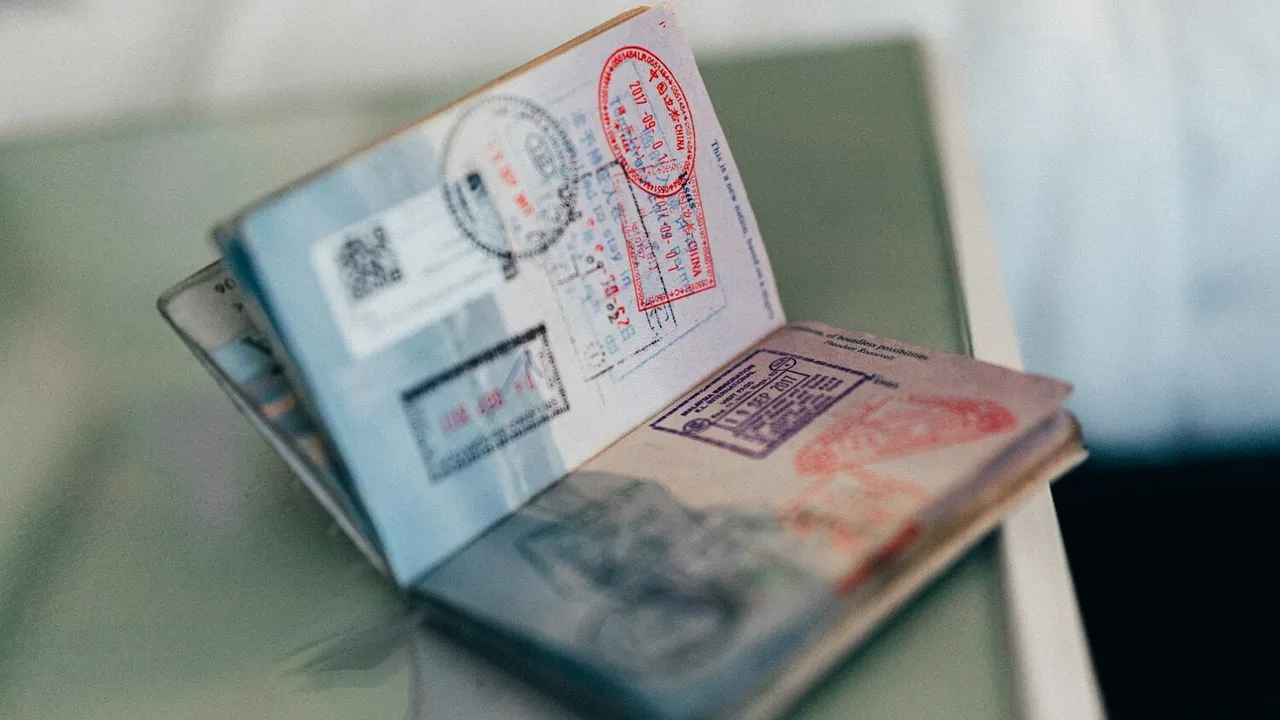
Understand visa requirements for US digital nomads. A guide to long-term stays in popular remote work destinations.
Comparing Visa Options for US Digital Nomads
Hey there, fellow American digital nomads! So, you've got the remote job, the wanderlust, and the dream of living and working from anywhere in the world. That's awesome! But before you pack your bags and book that one-way ticket, there's one crucial thing you need to sort out: your visa. Navigating international visa requirements can feel like a maze, especially when you're looking for long-term stays that accommodate your remote work lifestyle. This guide is here to break down the various visa options available to US citizens, focusing on popular remote work destinations and how to make your long-term stay a reality.
Understanding Digital Nomad Visas and Remote Work Permits
First things first, let's talk about what a 'digital nomad visa' actually is. It's a relatively new type of visa specifically designed for remote workers who earn their income from outside the country they wish to reside in. These visas typically grant you the legal right to live and work in a foreign country for an extended period, usually between six months to two years, with the possibility of renewal. They're a game-changer because they offer a legitimate pathway for remote workers, unlike traditional tourist visas which often prohibit working, or traditional work visas which require a local employer.
However, not every country offers a dedicated digital nomad visa. In many cases, US citizens might need to explore other long-stay options, such as long-term tourist visas, self-employment visas, or even specific retirement visas if they meet the age and income criteria. The key is to find a visa that allows for an extended stay and, crucially, doesn't explicitly forbid remote work for a foreign employer. Always double-check the specific regulations, as immigration laws can be complex and change frequently.
Top Digital Nomad Visa Destinations for US Citizens
Let's dive into some of the most popular and accessible digital nomad visa programs for US citizens. These countries have actively embraced remote workers, making the application process relatively straightforward.
Estonia Digital Nomad Visa DNV
Estonia was one of the pioneers in offering a dedicated digital nomad visa, known as the D-visa for remote workers. It's a fantastic option for those looking for a European base with a strong digital infrastructure.
- Eligibility: You need to be a non-EU/EEA citizen (which includes US citizens), have a valid employment contract with a company registered outside Estonia, conduct business through a company registered outside Estonia, or offer consulting/freelance services to clients mostly outside Estonia. You also need to prove a minimum monthly income of 3,500 EUR (gross) for the six months preceding your application.
- Duration: Up to one year, with the possibility of renewal.
- Application Process: You apply at an Estonian embassy or consulate. The process involves submitting your application form, passport, proof of income, health insurance, and a detailed explanation of your remote work setup.
- Pros: First mover advantage, strong digital infrastructure, access to the Schengen Area, relatively low cost of living compared to Western Europe.
- Cons: Income requirement can be high for some, colder climate, not as many direct flights from the US.
Croatia Digital Nomad Permit
Croatia quickly followed suit, offering a temporary stay permit for digital nomads. It's a beautiful country with stunning coastlines and a growing remote work community.
- Eligibility: You must be a non-EU/EEA citizen, work remotely for an employer or clients outside Croatia, and prove a minimum monthly income of approximately 2,500 EUR (this amount can fluctuate, so always check the latest figures). You also need proof of accommodation and health insurance.
- Duration: Up to one year, with the possibility of renewal after a six-month break outside Croatia.
- Application Process: You can apply online, at a Croatian embassy/consulate, or at a police station in Croatia. The online application is generally the most convenient.
- Pros: Beautiful scenery, warm climate, access to the Schengen Area, relatively affordable living, friendly locals.
- Cons: The six-month break before renewal can be inconvenient, internet speeds can vary outside major cities.
Portugal Digital Nomad Visa D8 Visa
Portugal has become a hotspot for digital nomads, and their D8 visa (specifically for digital nomads and remote workers) is a major reason why. It offers a pathway to residency and potentially even citizenship.
- Eligibility: Non-EU/EEA citizens working remotely for a foreign company or as a freelancer for clients outside Portugal. You need to demonstrate a minimum monthly income of at least four times the Portuguese minimum wage (currently around 3,040 EUR, but check for updates). Proof of accommodation and health insurance are also required.
- Duration: Initially granted for two years, renewable for three years, leading to permanent residency after five years.
- Application Process: Apply at a Portuguese consulate in the US. This typically involves an interview, submitting extensive documentation including financial proof, criminal record check, and proof of accommodation.
- Pros: Warm climate, vibrant culture, relatively low cost of living, excellent food, pathway to EU residency, strong digital nomad community.
- Cons: Application process can be lengthy and require significant documentation, income requirement is substantial.
Spain Digital Nomad Visa
Spain recently launched its own digital nomad visa, making it an even more attractive destination for US remote workers. Think tapas, sunshine, and a rich history!
- Eligibility: Non-EU/EEA citizens working remotely for a company outside Spain or as a freelancer with at least 80% of income from outside Spain. You need to prove a minimum monthly income of at least 200% of the national minimum wage (currently around 2,520 EUR, but verify current figures). You also need a clean criminal record, private health insurance, and proof of professional qualifications or experience.
- Duration: Up to one year, renewable for up to five years, with a pathway to permanent residency.
- Application Process: You can apply from your home country at a Spanish consulate or within Spain if you are already there legally.
- Pros: Beautiful country, diverse regions, excellent food, vibrant culture, good infrastructure, pathway to residency.
- Cons: Income requirement is significant, bureaucracy can be slow, some regions can be expensive.
Other Notable Digital Nomad Visas
Beyond these popular choices, several other countries offer digital nomad visas that might appeal to US citizens:
- Georgia: 'Remotely from Georgia' program. No income threshold, but requires proof of funds and health insurance. Very easy to enter and stay for a year.
- Mauritius: Premium Travel Visa. Requires proof of remote work and sufficient funds. Beautiful island nation.
- Dubai UAE: Virtual Working Programme. Requires a minimum monthly income of $5,000, health insurance, and a valid passport. High income, but tax-free living.
- Iceland: Long-term visa for remote workers. High income requirement (around $7,000 USD per month) and health insurance. Stunning natural beauty.
- Malta: Nomad Residence Permit. Requires a minimum monthly income of 2,700 EUR, health insurance, and proof of remote work. Mediterranean charm.
- Costa Rica: Rentista Visa (not strictly a digital nomad visa, but often used by them). Requires proof of $2,500 USD monthly income for two years. Pura Vida lifestyle.
Alternative Long-Stay Visa Options for US Citizens
What if your dream destination doesn't have a digital nomad visa? Don't despair! There are often other avenues to explore for long-term stays, though they might come with different requirements or restrictions.
Long-Term Tourist Visas
Some countries offer extended tourist visas that allow stays longer than the typical 90 days. However, a crucial caveat here is that most tourist visas explicitly prohibit any form of work, even remote work for a foreign employer. While many digital nomads might 'bend the rules' on a tourist visa, it's a risky strategy that can lead to deportation, fines, or future entry bans. Always check the specific regulations of the country you're interested in. For example, some countries in Latin America might offer longer tourist stays or easier 'visa runs' (leaving and re-entering to reset your tourist visa), but this is not a sustainable long-term solution.
Self-Employment or Entrepreneur Visas
If you run your own business or are a freelancer, some countries offer self-employment or entrepreneur visas. These are usually designed for individuals who intend to establish a business within the country, but sometimes they can be adapted for those who primarily serve international clients. The requirements are often more stringent, involving a business plan, significant investment, or proof of substantial income. For example, Germany has a freelance visa, but it requires you to prove you have clients in Germany and contribute to the local economy.
Retirement Visas
If you're a US citizen who meets certain age and income criteria, a retirement visa could be an option, even if you're still actively working remotely. Countries like Panama, Ecuador, and even some European nations offer attractive retirement programs that allow long-term residency based on a stable passive income (like a pension or investments). The benefit here is that these visas often come with fewer restrictions on remote work, as your primary income source is already established and not tied to the local job market. However, you'll need to meet the age requirements, which typically start around 50-60 years old.
Student Visas
This might sound unconventional, but pursuing further education abroad can be a legitimate way to gain a long-term visa. Many student visas allow for part-time work, and while the primary purpose is study, it can provide a stable base for remote work outside of study hours. This option requires a genuine interest in studying and the financial means to cover tuition and living expenses, but it can open doors to new cultures and experiences while maintaining your remote career.
Key Considerations When Choosing a Visa
Beyond the basic eligibility, there are several practical factors US digital nomads should weigh when comparing visa options:
Income Requirements and Financial Proof
Almost all long-stay visas, especially digital nomad visas, require proof of a stable income. This is to ensure you won't become a burden on the host country's social services. The amounts vary significantly, from around $2,000 USD to $7,000 USD per month. Make sure you can comfortably meet and exceed this threshold, as immigration officials often prefer to see a buffer.
Health Insurance Requirements for Nomads
Private health insurance is almost universally required for digital nomad visas. You'll need a policy that covers you in the host country for the duration of your stay. Don't skimp on this! International health insurance providers like SafetyWing, Cigna Global, or World Nomads are popular choices among digital nomads. They offer plans specifically designed for travelers and expats, often including emergency medical evacuation and repatriation.
- SafetyWing Nomad Insurance: A popular choice for its flexibility and affordability. It's a travel medical insurance that also covers some home country visits. It's designed for nomads, by nomads.
- Cigna Global: Offers comprehensive international health insurance plans, often more expensive but with broader coverage and higher limits. Good for those seeking extensive medical care options.
- World Nomads: Primarily travel insurance, but some plans can be extended for longer trips and offer good emergency coverage. Less suitable for long-term residency requirements.
Tax Implications for US Digital Nomads
This is a big one! As a US citizen, you are subject to worldwide taxation, meaning you still have to file taxes with the IRS no matter where you live or earn your income. However, you can often avoid double taxation through mechanisms like the Foreign Earned Income Exclusion (FEIE) or foreign tax credits. It's crucial to understand the tax laws of both the US and your host country. Some digital nomad visas offer tax incentives or exemptions for a certain period, but this varies greatly. Consulting with a tax professional specializing in expat taxes is highly recommended.
Schengen Area Access and Travel Freedom
If you're planning to explore Europe, a visa that grants access to the Schengen Area is a huge plus. Countries like Estonia, Croatia, Portugal, and Spain are all part of the Schengen Area, meaning once you have a long-stay visa for one, you can generally travel freely within the other 26 Schengen countries for short periods (usually up to 90 days within any 180-day period) without needing additional visas. This offers incredible travel flexibility.
Local Infrastructure and Community
While not a visa requirement, consider the local infrastructure and digital nomad community. Is the internet reliable? Are there co-working spaces? Is there an active expat or nomad community where you can connect with like-minded individuals? These factors significantly impact your quality of life and productivity.
Language and Culture
How important is it for you to live in an English-speaking country, or are you eager to learn a new language? While many digital nomad hubs have a good level of English spoken, especially in tourist areas, immersing yourself in the local language can greatly enhance your experience and ease daily life.
The Application Process A Step by Step Guide
While specific steps vary by country, here's a general outline of what US citizens can expect when applying for a digital nomad or long-stay visa:
- Research Thoroughly: Start by identifying countries that appeal to you and researching their specific visa requirements for US citizens. Check official government immigration websites, not just blogs.
- Gather Documentation: This is usually the most time-consuming part. You'll likely need:
- Valid passport (with at least 6 months validity beyond your intended stay)
- Visa application form
- Passport-sized photos
- Proof of income (bank statements, employment contracts, client invoices, tax returns)
- Proof of remote work (letters from employers, client testimonials, business registration)
- Health insurance policy covering your stay
- Proof of accommodation (rental agreement, hotel booking for initial stay)
- Criminal record check (FBI background check for US citizens, often apostilled)
- Travel itinerary (sometimes required)
- Cover letter explaining your intentions
- Schedule an Appointment: Many consulates require you to schedule an appointment in advance for visa applications. Do this as early as possible, as slots can fill up quickly.
- Attend the Interview (if required): Be prepared to discuss your remote work, financial situation, and reasons for wanting to live in the country. Be honest and confident.
- Pay the Fees: Visa application fees are non-refundable and vary by country.
- Wait for Processing: Visa processing times can range from a few weeks to several months. Be patient and avoid making non-refundable travel plans until your visa is approved.
- Travel and Register: Once approved, travel to your destination. Many countries require you to register with local authorities (e.g., police, immigration office) within a certain number of days of arrival. Don't skip this step!
Common Pitfalls and How to Avoid Them
Applying for a visa can be tricky, and it's easy to make mistakes. Here are some common pitfalls and how to steer clear of them:
- Incomplete Documentation: The number one reason for visa rejections. Double-check every requirement and provide all requested documents. If a document isn't applicable, explain why.
- Misrepresenting Your Intentions: Don't try to work on a tourist visa if it's explicitly forbidden. It's not worth the risk. Be transparent about your remote work plans.
- Ignoring Income Requirements: If you don't meet the income threshold, your application will likely be denied. Don't try to fake financial documents.
- Lack of Health Insurance: This is a non-negotiable for most long-stay visas. Ensure your policy meets the country's specific requirements.
- Applying Too Late: Start your visa application process well in advance of your desired travel date. Delays are common.
- Not Checking for Updates: Immigration laws and visa requirements can change. Always check the official government websites for the most up-to-date information just before applying.
Making the Most of Your Digital Nomad Visa
Once you've secured your digital nomad visa, the real adventure begins! Here are some tips to make the most of your long-term stay:
- Connect with Local Communities: Join expat groups, digital nomad meetups, and local clubs. Building a community is crucial for well-being.
- Learn the Local Language: Even a few basic phrases can go a long way in improving your daily life and connecting with locals.
- Explore Beyond the Tourist Spots: Use your extended stay to truly immerse yourself in the local culture, discover hidden gems, and experience life like a local.
- Set Up a Productive Workspace: Whether it's a co-working space, a home office, or a favorite cafe, having a dedicated workspace helps maintain productivity.
- Maintain Work-Life Balance: It's easy to get caught up in the excitement of a new country, but remember to maintain your work schedule and avoid burnout.
- Stay Compliant: Always adhere to the terms of your visa, including any registration requirements, tax obligations, and renewal procedures.
Choosing the right visa is the foundation of a successful and stress-free digital nomad journey. By thoroughly researching your options, understanding the requirements, and preparing diligently, you can unlock incredible opportunities for long-term remote work and exploration as a US citizen. Happy travels and happy working!
:max_bytes(150000):strip_icc()/277019-baked-pork-chops-with-cream-of-mushroom-soup-DDMFS-beauty-4x3-BG-7505-5762b731cf30447d9cbbbbbf387beafa.jpg)